
Reflection
Why is narrative an important strategy when designing learning experiences?
In college, I took a course called “Introduction to Animals and Machines.” Actually, I dropped the course about halfway through the semester because I got a little in over my head. But one lesson that stuck with me was on the loci method. The idea of this method is that you can memorize a list by assigning each list item to a part of a journey with which one is very familiar.
As it was explained to our class, imagine that you are coming home from school or work and follow a very set routine when you enter your space. You close the door behind you and see the door frame. You lock the door and observe the material of the lock. You take off your shoes at the corner of the floor mat. You put your bag down on the chair. You put down your mail on the table. And so on. For each step on the journey, you assign something you’re trying to remember, such as groceries you need. Then, when you go to the store, you can envision yourself on that path and (hopefully!) recall the groceries you need.
I never forgot this lesson. While there surely are lots of really important scientific explanations for how the loci method assists with memorizing, my explanation is that it’s all about the story. Plotting out a journey to remember a list becomes a story.
Storytelling is a profound way of reaching wide audiences about anything and everything that is important (or not important), and good stories are memorable. Our lives are filled with stories.
As an educator, using narrative in learning design is a practical way of meeting learners where they are at and helping learners get to where they are going.
But…what makes a good story in the context of learning? How can we maximize the potential of storytelling for learning?
Get to the point. Avoid exhausting cognitive resources by focusing on the necessary, not extraneous, details.
Make it relatable. Allow the learner to see themselves in the story.
Have a clear, cohesive intention. The story, and the format in which it is shared, should make sense for the intended learning goal.
As learning designers, we can use story through a wide variety of forms. Depending on that form, we can provide a learning experience that aims to provoke thought or one that offers opportunities for interactivity. The links below will lead to examples of how I explore storytelling in different modalities to achieve specific learning goals.
Portfolio
Narrative and Games
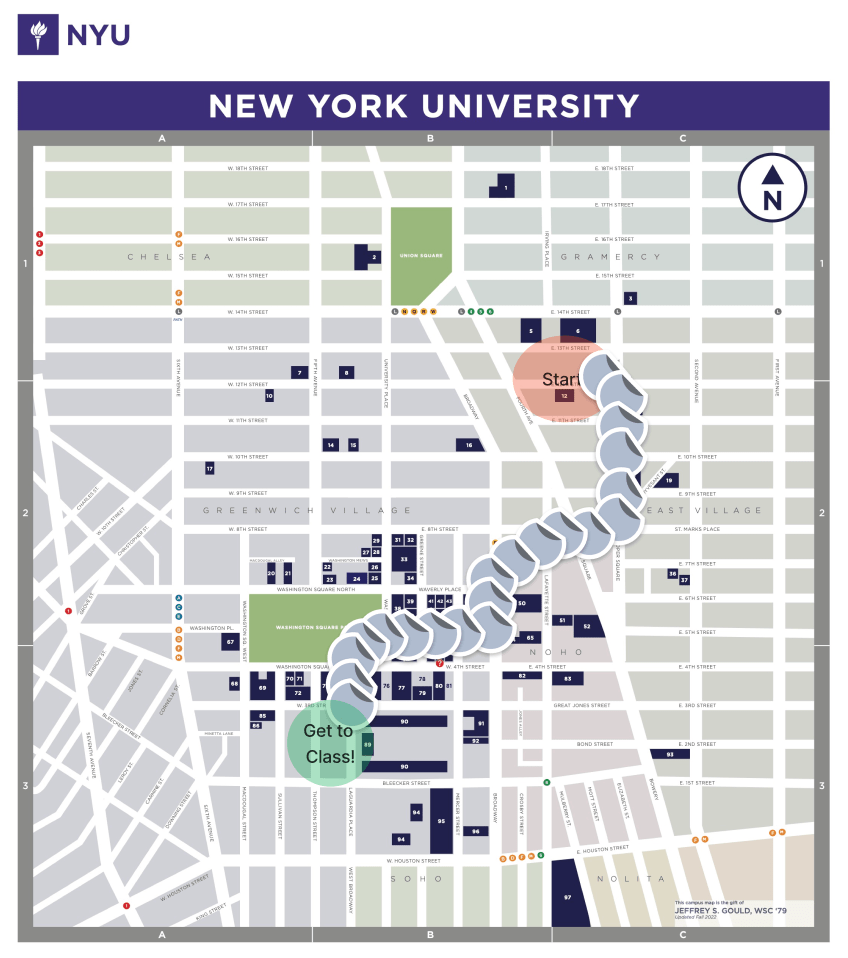
Title: Get to Class!
Concept Overview: When orientation concludes and students are getting ready for their first day of their first semester at NYU, they need to know how to get to class on time! This project uses a game to familiarize students with avoidable and unavoidable obstacles they may face between trying to leave their residence hall and arriving at class.
Statement of Need/Problem or Design Challenge: Many students come to NYU new to college life, campus life, and New York City Life. There are many new places to explore and ways to get lost, both physically and in terms of time! This game will make students aware of their accountability in getting to class on time.
Concept Description:Students will be shown a digital campus map with an overlay of sidewalk blocks to signify steps. After selecting their residence hall and the location of their first class, they will draw cards that will direct them to take steps closer to or further away from their classroom, based on whether the card shows an obstacle or a short-cut. This game could be played as a multi-player or single-player game, with the game concluding once students arrive at their classroom.
Target Audience:Although it could be reproducible for any college community, this game is intended for new undergraduate NYU students who are newly responsible for getting themselves to class on time without prompting or prodding.
Learning Goals:By the end of the game, students will be familiar with the NYU campus area and will be cognizant of actions they can take to ensure they get to class on time.
Learning theories:
Personalization Principle: Students will play this game beginning and ending in locations specific to their experience.
Coherence Principle: The game itself will have a clean and simple interface. With the simple rules of drawing a card and taking steps forward or backward, extraneous details will be minimal.
Prototype:

References:
Mayer, R. E. (Ed.). (2014). Cambridge handbook of multimedia learning. Cambridge University Press.
New York University. (2022). NYU Downloadable Campus Map. https://www.nyu.edu/content/dam/nyu/advertisePublications/documents/nyu-downloadable-campus-map.pdf.
Narrative and Social Media
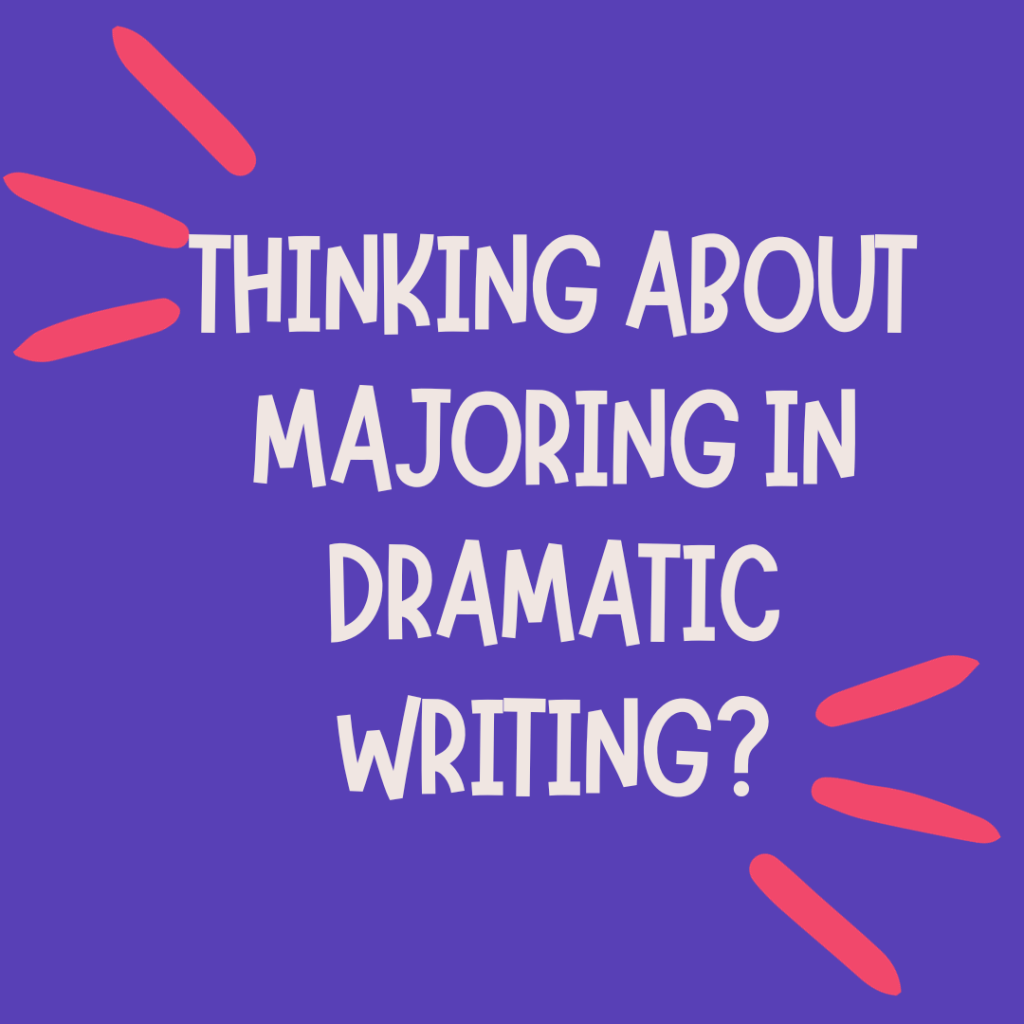
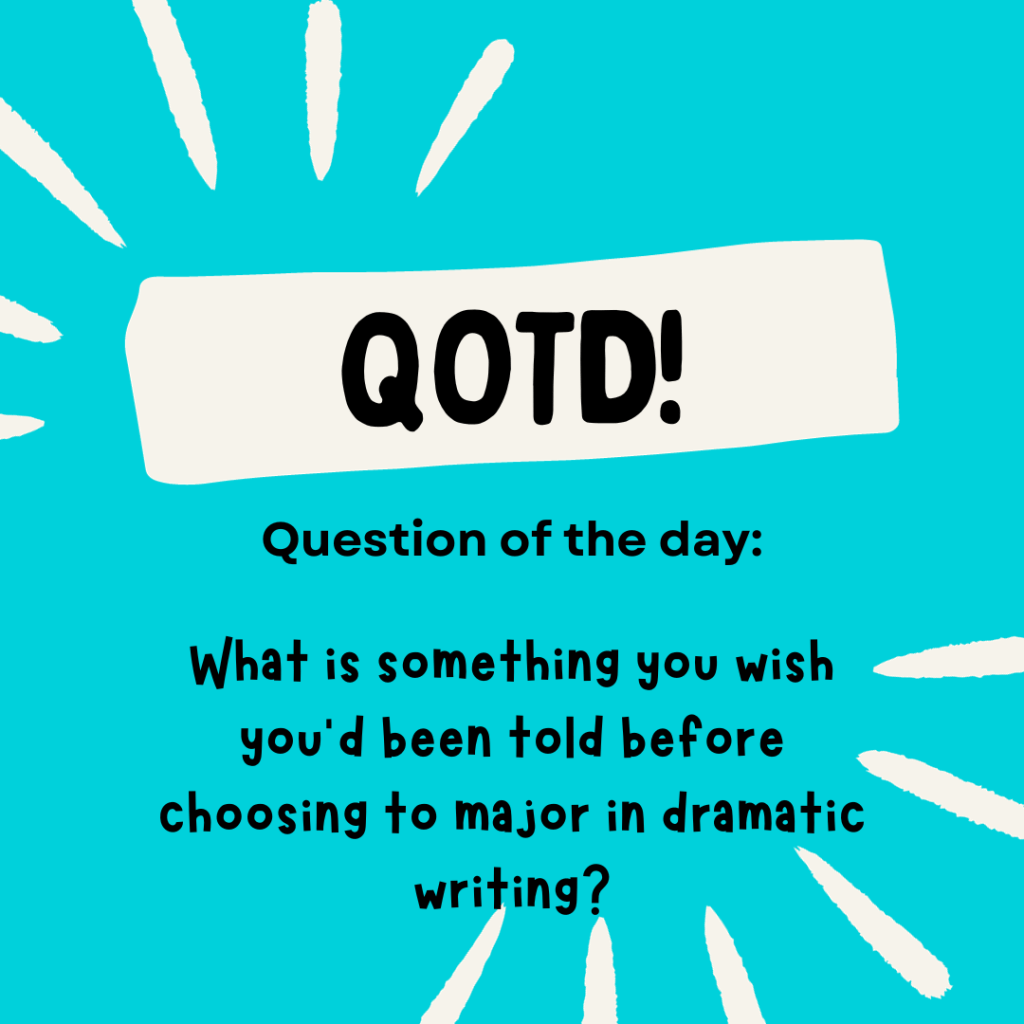
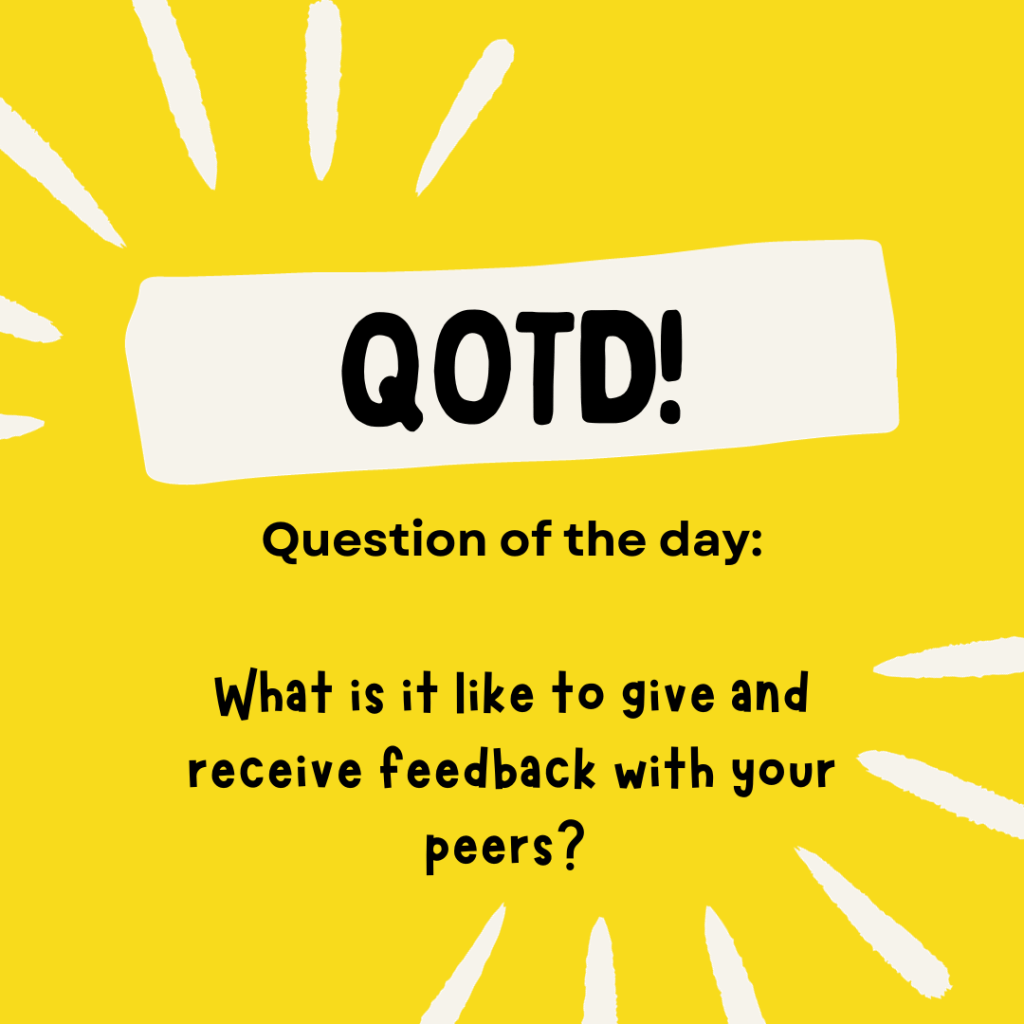
Title: QoTD!
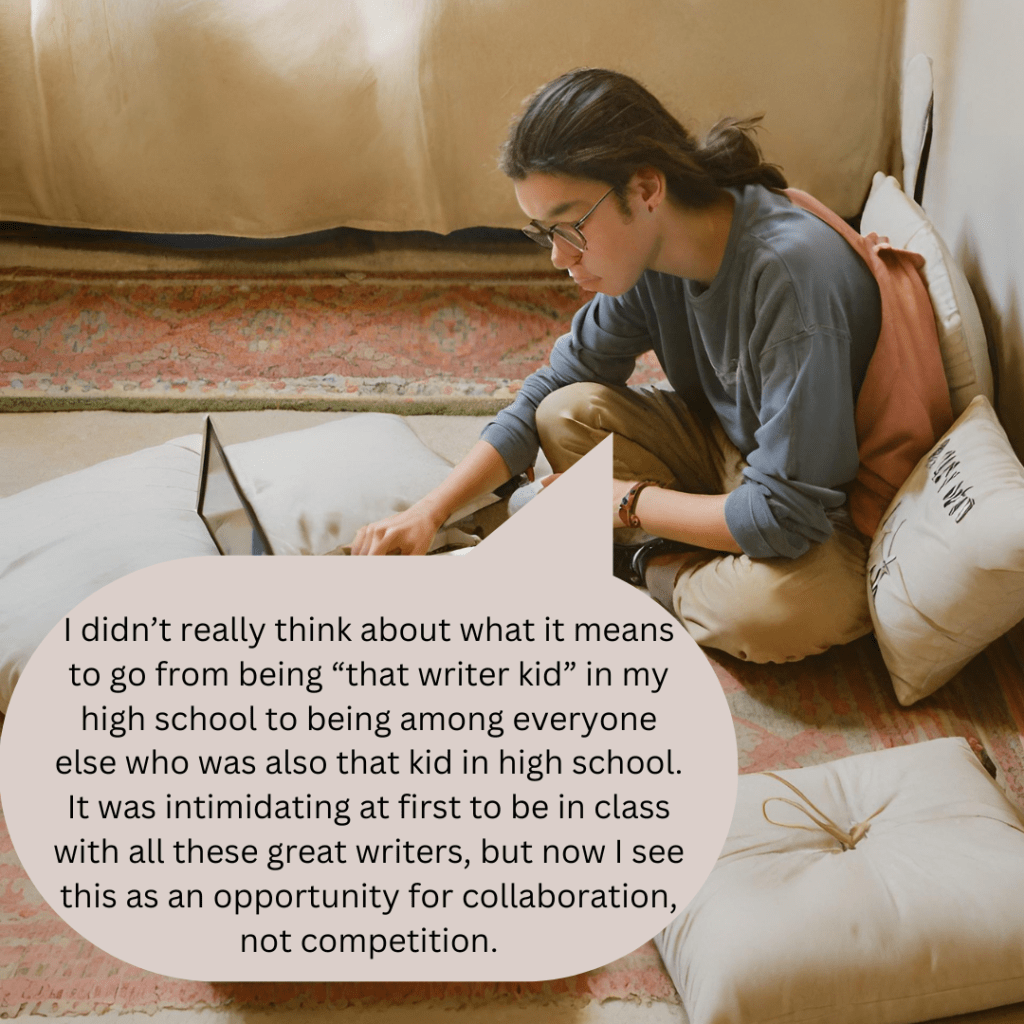
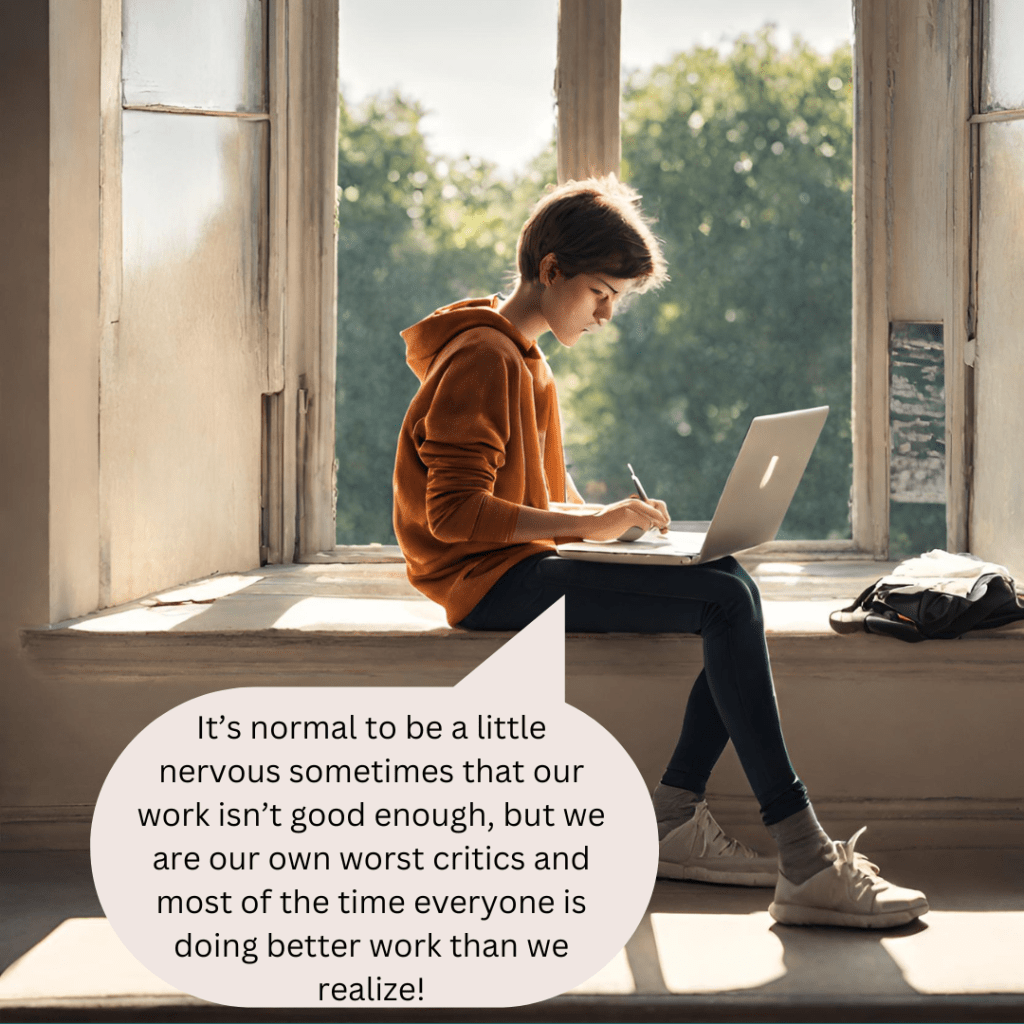
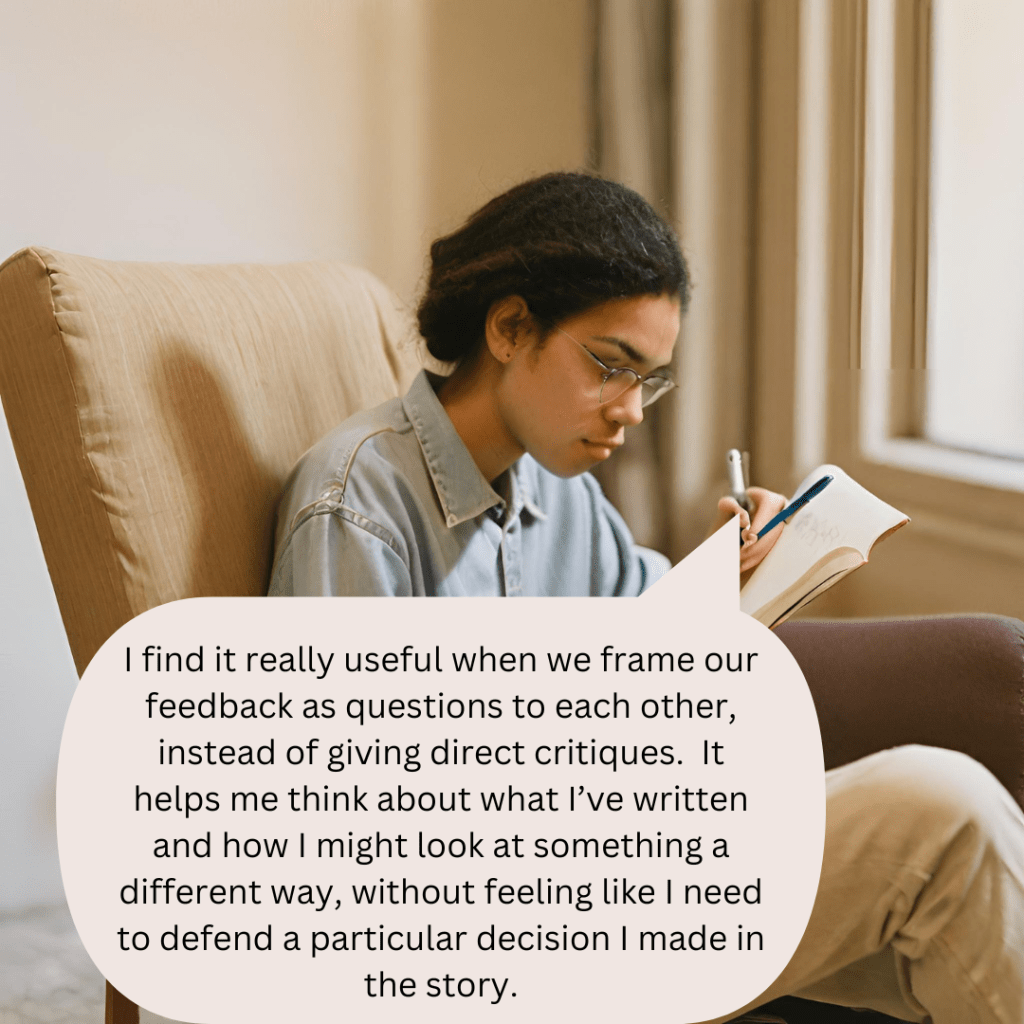
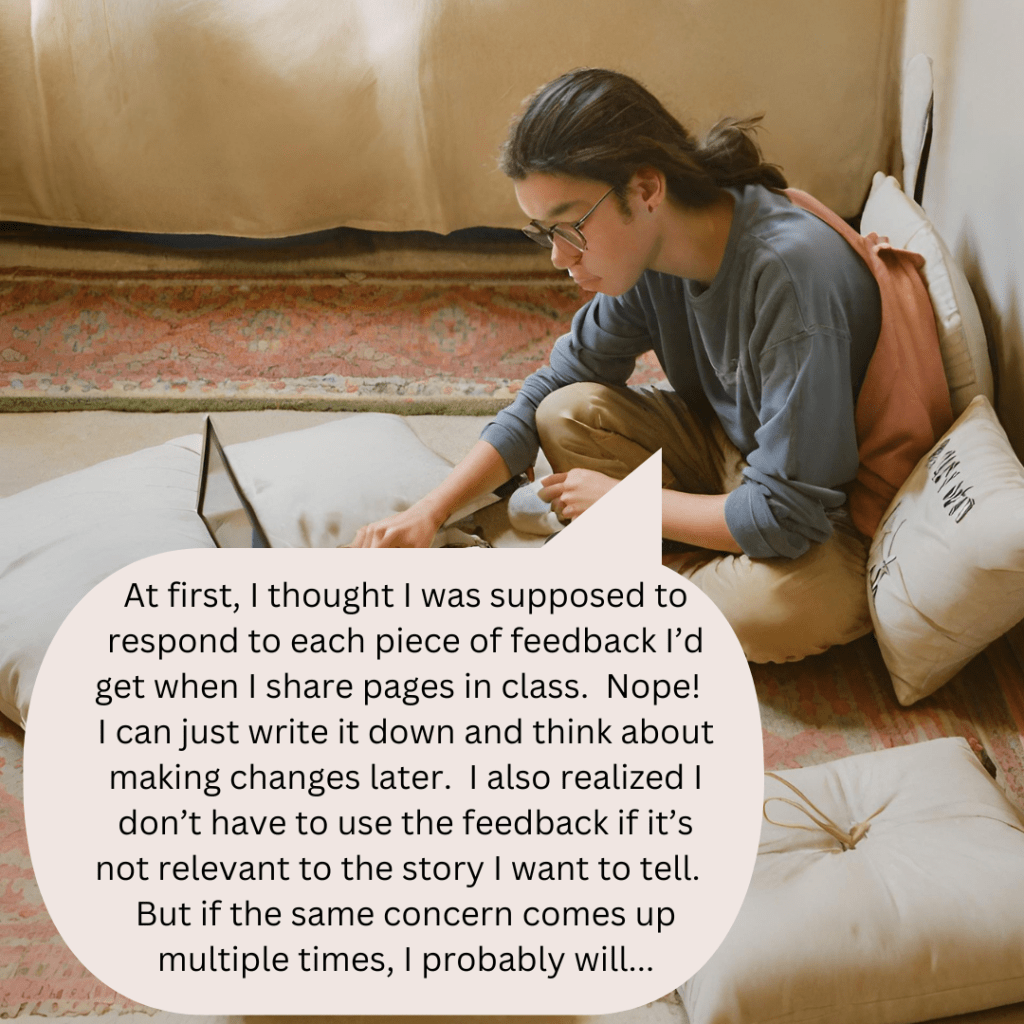
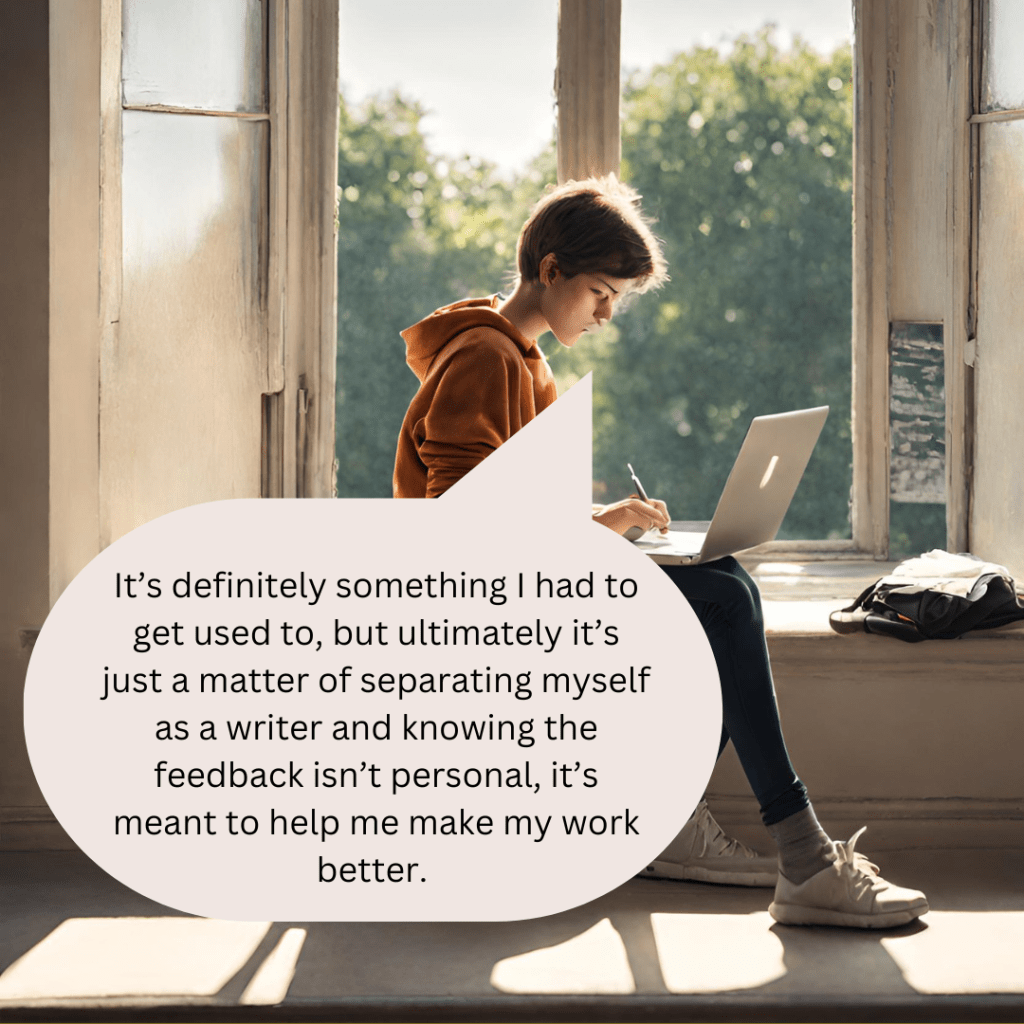
Concept Overview: This set of Instagram posts aims to help prospective dramatic writing students think about aspects of the major that they might not have yet considered. In a “Question-of-the-day” format, three students in NYU Tisch’s Department of Dramatic Writing will answer a question that speaks to the unique experience for which dramatic writing students should be prepared and can expect when entering the program, or similar programs.
Statement of Need/Problem or Design Challenge: Students must think critically when selecting any major, but opting to major in dramatic writing will present particular creative, academic, and socio-emotional challenges of which prospective students should be aware. This set of Instagram posts aims to help prepare students for these challenges by sharing insights from current students in the major.
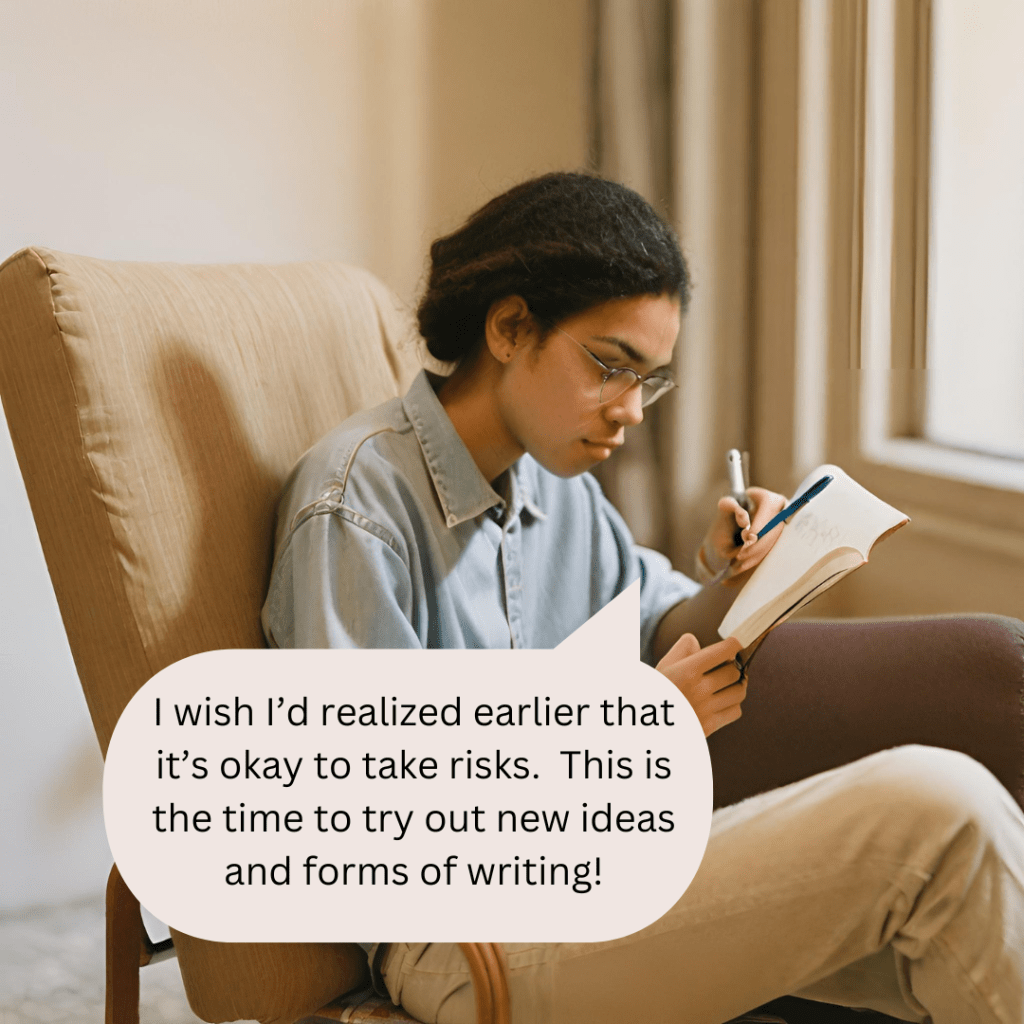
Concept Description: Followers are introduced to the “Question of the Day” theme of posts. They will then be able to see a new question each day with corresponding responses from each of three students. For continuity, the same three students are featured each day, sharing their experiences and advice as they follow their own journey in the program.
Target Audience: This social media tool is aimed at prospective dramatic writing students who are entering into or are already in the midst of the admissions process, as well as for students who have been accepted to the program.
Learning Goals: After viewing this post, prospective and newly admitted students have tools to prepare for their experience in the dramatic writing program. Additionally, much of the insights shared are applicable to students pursuing this particular major at another institution or other arts-related majors anywhere.
Learning theories:
Socio-constructivism: Thinking in terms of Vygotsky’s Zone of Proximal Development, prospective students can research and learn about the dramatic writing program on their own through our website, but with help from the featured students, who serve as tutors (in a way), the prospective students can increase their knowledge. The featured students in the IG posts can help broaden prospective students’ perspectives and expectations about the experience of being a dramatic writing student. They can assist prospective students in making a more informed decision about pursuing the major and the insights shared may guide their experience if they do attend.
Motivation Theory: By learning directly from current students, prospective students can digest the insights shared, which may reinforce their desire to pursue dramatic writing as a college major and/or career, as well as to reduce anxiety about the student experience. Conversely, the experiences that the current students share may dissuade students who are less committed to the pursuit of study, which is equally valid learning.
Personalization Principle: Language is conversational and relatable to viewers.
Prototype:
Images were created through the Canva.com Magic Media AI Image Generator on November 18, 2023.
For the purposes of this project, the written content is my own, informed by observations and conversations with actual students in the dramatic writing program.





References:
Ackerman, E. (2004). Constructing knowledge and transforming the world. In Steels, L., & Tokoro, M. (Eds.). Learning zone of one’s own: Sharing representations and flow in collaborative learning environments (pp. 15-35). IOS Press, Incorporated.
Fiorella, L., & Mayer, R. (2021). Principles Based on Social Cues in Multimedia Learning: Personalization, Voice, Image, and Embodiment Principles. In R. Mayer & L. Fiorella (Eds.), The Cambridge Handbook of Multimedia Learning (Cambridge Handbooks in Psychology, pp. 277-285). Cambridge: Cambridge University Press. doi:10.1017/9781108894333.029
Schrader, C., Kalyuga, S., & Plass, J. (2021). Motivation and Affect in Multimedia Learning. In R. Mayer & L. Fiorella (Eds.), The Cambridge Handbook of Multimedia Learning (Cambridge Handbooks in Psychology, pp. 121-131). Cambridge: Cambridge University Press. doi:10.1017/9781108894333.012
Narrative and Instructional/Learning Design
Title: The Single Best Way to be a Successful DDW Student
Concept Overview: It’s easy for new undergraduate students to start to fall behind without realizing it. While missing class and not turning work in on time is highly discouraged, it is sometimes unavoidable. This training module will explore different scenarios and a range of possible responses to each scenario, encouraging students to consider how they would manage a given situation.
Statement of Need/Problem or Design Challenge: This training will help students feel empowered to effectively communicate with their instructors and take accountability for their absences and/or missed or late work, if and when the need arises.
Concept Description: This training module is created in Articulate Rise. Students will be introduced to the department’s policies on attendance and participation. They will then review different scenarios with examples of how a student can respond in each situation, ranging from unproductive to productive.
Articulate is an ideal tool because it affords multiple means of conveying a scenario, and the possible outcomes, to keep learners engaged. It is also convenient as to use on a mobile device as a desktop browser.
Target Audience: This video is aimed at incoming undergraduate students at NYU Tisch’s Department of Dramatic Writing. This training will ultimately be part of a larger online orientation program for Dramatic Writing students, and it will be embedded into a Brightspace course site for the incoming cohort.
Learning Goals: After engaging with this video, students will be familiar with the attendance and participation policy, and they will understand the impact of missing class or not handing in their work on time. They will develop tools to be proactive, should they find themselves in a predicament similar to the common scenarios described.
Learning theories:
Personalization Principle: Language is written in second-person perspective so that students can envision themselves in each scenario.
Embodiment Principle: The scenarios utilize a character who changes expressions and body language in response to text written on-screen.
Metacognition: Each scenario is followed by a brief question or set of questions formulated to provide students with a chance to think about the scenario they just reviewed and consider how they might approach (or avoid) a similar situation.
Prototype:

References:
Fiorella, L., & Mayer, R. (2021). Principles Based on Social Cues in Multimedia Learning: Personalization, Voice, Image, and Embodiment Principles. In R. Mayer & L. Fiorella (Eds.), The Cambridge Handbook of Multimedia Learning (Cambridge Handbooks in Psychology, pp. 277-285). Cambridge: Cambridge University Press. doi:10.1017/9781108894333.029
Winne, P., & Azevedo, R. (2022). Metacognition and Self-Regulated Learning. In R. Sawyer (Ed.), The Cambridge Handbook of the Learning Sciences (Cambridge Handbooks in Psychology, pp. 93-113). Cambridge: Cambridge University Press. doi:10.1017/9781108888295.007
Narrative and Digital Accessibility
Title: An Accessible Presentation
Concept Overview: The Grackle Slides extension is a useful tool to identify areas of a presentation that are not in line with digital accessibility standards. Using this tool will help learners understand how to incorporate standards into their presentations, documents, websites and other forms of digital design.
Statement of Need/Problem or Design Challenge: It is easy to build slides with a pre-designed theme in a platform like Google Slides or PowerPoint and assume that by using the pre-designed theme the slides will be accessible. The Grackle Slides extension flags elements of the presentation that are not accessible and offers explanations of what is not accessible so that elements can be adjusted to be in line with accessibility standards.
Concept Description: Learners can download the Grackle Slides extension in Google Slides and conduct an accessibility check as they work. Learners will take the opportunity to learn how to ensure that all elements of their presentation are digitally accessible.
Target Audience: Anyone who uses Google Slides to create presentations can benefit from the Grackle Slides extension.
Learning Goals: Learners will use the tool to identify areas of improvement and will then know for the future how to build presentations that are digitally accessible.
Learning theories:
Emotional Design Principle: Presenting materials that meet standards of accessibility is conducive to learning. Materials that do not meet these standards can result in stress and anxiety for a student, which can inhibit learning.
Universal Design for Learning: There is no one “type” of learner, so we must design learning materials in a way that is inclusive for all learners. UDL principles facilitate creating materials that are equitable and accessible to optimize learning among all students.
Prototype:
- The first file is the original version of this presentation.
Narrative and Instructional/Learning Design
2. This is a screenshot of Google Slides with the Grackle Slides extension.
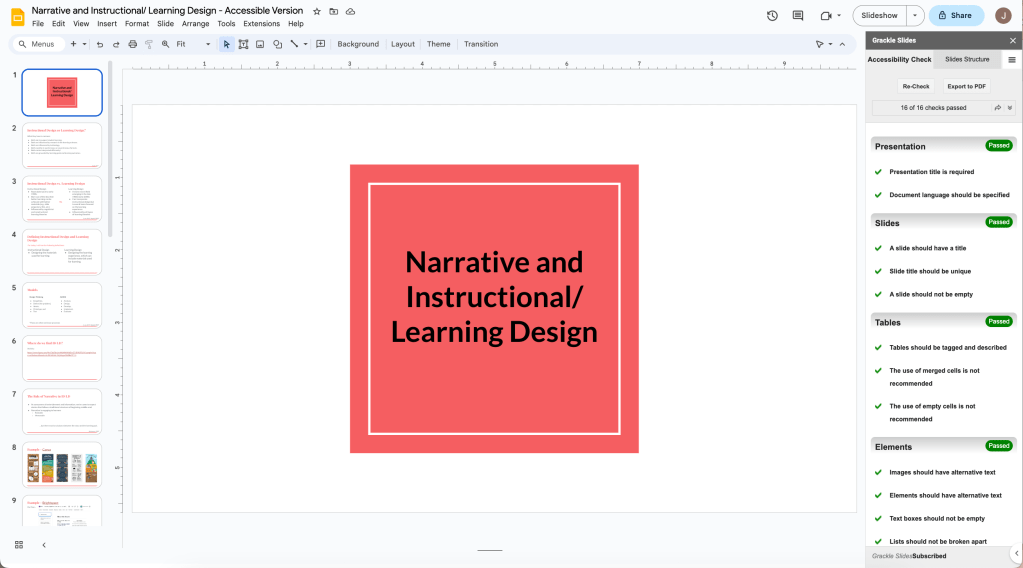
3. This is the presentation after concluding the Grackle Slides accessibility check.
Narrative and Instructional/Learning Design: Accessible Version
References:
Hall, T. E., Meyer, A., & Rose, D. H. (Eds.). (2012). Universal design for learning in the classroom : Practical applications. Guilford Publications.
Plass, J., & Hovey, C. (2021). The Emotional Design Principle in Multimedia Learning. In R. Mayer & L. Fiorella (Eds.), The Cambridge Handbook of Multimedia Learning (Cambridge Handbooks in Psychology, pp. 324-336). Cambridge: Cambridge University Press. doi:10.1017/9781108894333.034
 Coloring Everything